How Do You Optimize a Website for Local SEO? (Complete Guide with Examples)
Imagine someone in your town needs a service you provide. What do they do? They likely pull out their phone and type something like “plumber near me” or ask an AI assistant, “Where’s the best coffee shop in downtown?” If your business doesn’t show up in those search results, you’re missing out on ready-to-buy customers.
This is where local Search Engine Optimization (SEO) comes in. It’s the process of making your business more visible in local search results on Google and other platforms. This guide will show you exactly how to optimize a website for local SEO, step-by-step. We will cover everything you need to know to attract more local customers and grow your business.

What Is Local SEO and Why Is It Important?
Local SEO is a marketing strategy that helps your business appear in search results when people are looking for products or services in your specific area. It is different from general SEO because it focuses on a geographic location.
Think about a home inspector in Columbus, Ohio. They don’t need customers from California; they need customers in and around Columbus. Local SEO helps that inspector show up when someone in Columbus searches for “home inspection services.” This is incredibly important because people who make local searches often have a strong intent to buy. They are looking for a solution right now, right here.
Without good local SEO, your business is practically invisible to the many potential customers searching online every single day.
Also Read how local seo increases profits & Know Why Your Business Is Not Showing on Google Maps.

How Local SEO Works (Google & AI Search Explained)
When you perform a local search, the results page looks a bit different. You’ll usually see a few key components designed to give you immediate, location-based answers.
Google Map Pack: This is the box with a map and three business listings that often appears at the top of Google search results. It’s prime real estate because it’s highly visible. Getting into the Map Pack is a major goal of local SEO.
Organic Local Results: These are the standard blue-link search results that appear below the Map Pack. Websites that are well-optimized for local keywords will rank here.
Google Business Profile: Your Google Business Profile (GBP) is a free tool that powers your appearance in the Map Pack. It’s a snapshot of your business, including your address, hours, photos, and reviews.
AI Search Results: New AI tools like ChatGPT and Google’s Search Generative Experience (SGE) are changing search. They pull information from across the web, including your website and GBP, to give users direct answers. Optimizing for local SEO ensures these AI assistants recommend your business.
Also Read how to improve local seo ctr & how to expand from local seo to national seo.
Step-by-Step Guide to Optimize a Website for Local SEO
Ready to get more local customers? Follow these steps to improve your local search rankings.
1. Keyword Research for Local SEO
Before you can optimize your website, you need to know what words your customers are using to find you. Local keyword research is about finding search terms that include a location.
The formula is simple: [Service] + [City/Neighborhood].
Start by brainstorming all the services you offer. Then, list all the cities, towns, and neighborhoods you serve. Combine them to create your list of keywords.
Example Keywords for a Dentist in San Diego:
- “dentist San Diego”
- “emergency dentist La Jolla”
- “cosmetic dentistry Pacific Beach”
- “teeth whitening downtown San Diego”
You can use free tools like Google Keyword Planner to see how many people are searching for these terms. This helps you focus on the most valuable keywords.
2. Optimize Website Pages for Local Search
Once you have your keywords, you need to place them strategically on your website. This tells Google exactly what your page is about and where you are located.
Title Tags: This is the title of your page that appears in the browser tab and search results. It should include your main keyword and location.
- Example:
Expert Plumbing Services in Austin, TX | Parker Plumbing
Meta Descriptions: This is the short summary under the title in search results. It doesn’t directly affect rankings, but a good description encourages clicks. Mention your service, location, and a unique selling point.
- Example:
Parker Plumbing offers reliable and affordable plumbing services in Austin. From leaky faucets to drain cleaning, our certified plumbers are here to help. Call us today!
Headings (H1, H2): Your main page title should be an H1 tag. Use your primary keyword here. Use H2 tags for subheadings to break up content and include related keywords.
URL Structure: Keep your URLs clean and descriptive.
Good Example: yourwebsite.com/plumbing-services-austin
Bad Example: yourwebsite.com/page-123
3. Create Location-Based Service Pages
If your business serves multiple areas, creating dedicated pages for each location is a powerful local SEO strategy. This makes your website highly relevant for users in those specific areas.
City Pages: If you have physical offices in multiple cities, each one should have its own page. This page should include the unique address, phone number, and details about the services offered at that location.
Service Area Pages: If you are a service-area business (like a plumber or electrician) that travels to customers, you can create pages for the main towns you serve. Each page should have unique content about the services you provide in that town.
Example Structure for a “Roofer in Springfield” Page:
H1: Trusted Roofing Services in Springfield
Content: Discuss common roofing problems in Springfield (e.g., related to local weather), mention landmarks or neighborhoods, and showcase testimonials from local customers.
Contact Info: Include your business name, address (if applicable), and a local phone number.
4. Google Business Profile Optimization (Very Important)
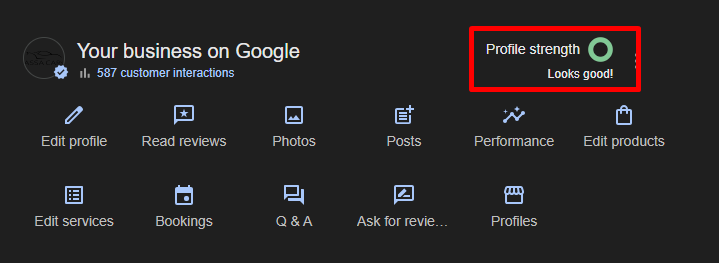
Your Google Business Profile (GBP) is arguably the most critical element of your local SEO strategy. Optimizing it is essential for ranking in the Google Map Pack.
NAP Consistency: Your Name, Address, and Phone number (NAP) must be identical across your website, your GBP, and all other online listings.
Categories: Choose the most accurate primary category for your business. Then, add secondary categories that describe your other services.
Business Description: Write a compelling description of your business. Use keywords naturally to describe what you do and who you serve.
Services & Products: List all of your services or products in the designated sections. This helps Google understand the full scope of your offerings.
Photos: Add high-quality photos of your storefront, your team, your work, and happy customers. A well-photographed profile builds trust.
Regular Posts: Use Google Posts to share updates, offers, and news. This shows Google that your profile is active.
Reviews: Encourage customers to leave reviews and respond to every single one, both positive and negative.
5. Local Content Strategy (Blogs That Rank Locally)
Creating content that is helpful for your local audience is a fantastic way to attract traffic and build authority. Think about questions your local customers ask.
Local Topics: Write blog posts about local events, community news, or guides related to your industry. For example, a landscaping company could write a post titled “Best Plants for a Colorado Garden.”
FAQs: Create content that answers frequently asked questions. Use a tool like AnswerThePublic to find questions people are asking.
“Near Me” Searches: Optimize your content to appear for “near me” searches by naturally including phrases like “our office near [landmark]” or “serving customers throughout [city].”
AI-Friendly Content: Structure your content with clear questions and direct answers. AI search tools often pull these direct answers to respond to user queries.
6. Local Citations & Business Listings
A citation is any online mention of your business’s name, address, and phone number (NAP). These are like votes of confidence that verify your business’s location and legitimacy. Get citation building services for your business.
What Citations Are: They are listings in online directories like Yelp, Yellow Pages, and industry-specific sites (e.g., TripAdvisor for restaurants).
Where to List: Start with the major directories, then look for local chamber of commerce sites and industry-specific directories.
Importance of Consistency: Just like with your GBP, your NAP must be 100% consistent across all citations. Inconsistencies can confuse Google and hurt your rankings.
7. Reviews & Reputation Management
Online reviews are a huge ranking factor for local SEO. They build social proof and tell Google that your business is trustworthy.
Why Reviews Matter: More positive reviews can lead to higher rankings in the Map Pack. They also heavily influence a customer’s decision to choose your business over a competitor.
How to Get More Reviews: Simply ask your happy customers! You can send a follow-up email with a direct link to your GBP review page or mention it at the end of a service.
Responding to Reviews: Always respond to reviews. Thank customers for positive feedback and address concerns in negative reviews professionally. This shows you care about customer service.
8. Local Backlinks & Authority Building
Backlinks are links from other websites to your website. When a reputable local website links to you, it passes authority and helps you rank higher in local search.
Local Blogs: Partner with local bloggers or influencers for a feature.
News Sites: Sponsor a local charity event or do something newsworthy to get featured in the local news.
Partnerships: Link to other local businesses you work with (and ask them to link back to you). For example, a wedding planner could get backlinks from venues, florists, and photographers they recommend.

9. Technical SEO for Local Websites
Technical SEO ensures your website is easy for search engines to crawl and for people to use.
Mobile-Friendliness: Most local searches happen on mobile devices. Your website must look and work great on a phone.
Page Speed: Your site should load quickly. Slow-loading websites frustrate users and lead to lower rankings.
Schema Markup: This is a type of code you add to your website to help search engines understand your content better. For local SEO, the “LocalBusiness” schema is very important. It clearly communicates your NAP, hours, and other key details to Google.
Also Read Top 7 Google Maps Rank Checker Tools.
Common Local SEO Mistakes to Avoid
Inconsistent NAP: Having different addresses or phone numbers listed online confuses search engines.
Ignoring Your GBP: Not filling out your Google Business Profile completely or keeping it active is a huge missed opportunity.
No Local Intent: Creating content that doesn’t target your local audience or answer their specific questions.
Keyword Stuffing: Forcing too many keywords into your content makes it unreadable and can lead to penalties.

Local SEO Checklist (Quick Summary)
- Find your local keywords (service + city).
- Optimize website title tags and meta descriptions with keywords.
- Create location-specific service pages.
- Fully optimize your Google Business Profile.
- Regularly add photos and posts to your GBP.
- Encourage and respond to customer reviews.
- Build local citations with a consistent NAP.
- Write blog content for your local audience.
- Earn backlinks from other local websites.
- Ensure your website is mobile-friendly and fast.
- Add LocalBusiness schema markup.
How Long Does Local SEO Take to Show Results?
Local SEO is a marathon, not a sprint. While you can see some initial movement within a few weeks (especially with GBP optimization), it typically takes 3 to 6 months to see significant results. Factors that affect this timeline include the competitiveness of your industry, the state of your website, and how consistently you work on your SEO efforts.
Why Many Businesses Fail at Local SEO
Many small businesses struggle with local SEO for a few common reasons. They may lack a clear strategy, focusing on the wrong activities. Others might perform a one-time optimization and then stop, not realizing that local SEO requires ongoing work to maintain rankings. Without a consistent, data-driven approach, it’s easy to fall behind competitors.
How Professional GBP & Local SEO Services Help
Tackling local SEO on your own can feel overwhelming. A professional service can take this complex task off your plate. Experts use data-driven strategies and advanced, AI-powered tools to make faster and more effective decisions. They can handle everything from technical optimization to content creation, ensuring your business gets the visibility it deserves and you get a better return on your investment.
Feeling overwhelmed or want to get results faster? We can help. Get a complimentary Local SEO & Google Business Profile audit today. Our team provides AI-driven GBP Optimization and Local SEO services designed to help businesses like yours rank higher and win more customers.

Arbaz Shaukat is a Local SEO Expert who helps websites generate more leads, traffic, and sales from Google and AI-driven search platforms like ChatGPT through proven SEO strategies. He is the Founder of GBP Optimization Services, where he works closely with businesses to improve their online visibility on the internet.
Since 2020, Arbaz has been active in SEO and loves to share experience-based blog content offering practical insights, tested SEO techniques, and real-world strategies that help businesses grow and compete effectively online.